1999 Kargil War: Strategic Analysis, Operation Vijay
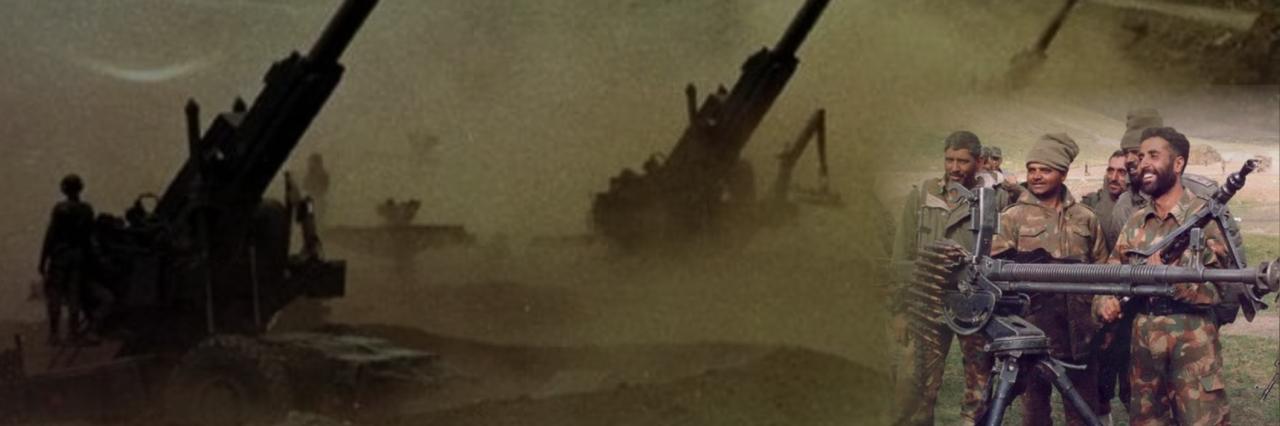
In May 1999, Pakistani troops quietly crossed the Line of Control, digging into sub-zero peaks above Dras and Batalik. What General Pervez Musharraf planned as a quick tactical win—codenamed Operation Badr—quickly spiraled out of control. India’s counter-offensive, Operation Vijay, led to months of savage high-altitude combat on ice-capped peaks like Tiger Hill and Tololing.
Kargil didn’t happen in a vacuum. Decades of border friction and the frozen standoff in Siachen set the stage. The fighting exposed harsh realities on both sides—from intelligence slip-ups to the sheer difficulty of coordinating air support at 18,000 feet.
But the battlefields also held surprising moments of soldierly behavior. The last, desperate assault at Tiger Hill was led by Pakistani Captain Karnal Sher Khan who was killed in combat. Moved by his courage, Indian Army Brigadier M.P.S. Bajwa took the rare step of writing a citation recommending his enemy for bravery. That single gesture forced Islamabad to acknowledge its own fallen officer and award him the Nishan-e-Haider.
At Borders & Beyond, we cut through the usual fluff. We analyze the actual military doctrines, intelligence blunders, and human choices that shaped the 1999 Kargil War.